







Search Results for: Fine Salt Grind
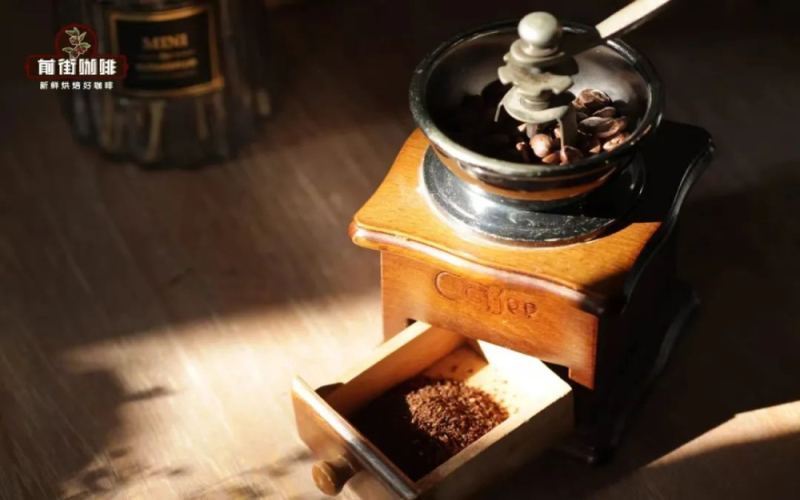
Coffee Grind Size Analogy Guide: Particle Size Correspondence Between Caster Sugar, Coarse Sugar, Sea Salt, Fine Salt, and Flour
There is no unified quantitative standard for coffee grinding, so enthusiasts often use everyday ingredients as analogies to quickly convey the concept of particle size. Common reference points like fine granulated sugar, coarse granulated sugar, sea salt, fine salt, and flour each correspond to different brewing methods and roast levels. This article goes through the particle size characteristics and suitable scenarios for each of these analogous grinds one by one: fine granulated sugar is mostly used for light-roast pour-over, coarse granulated sugar suits medium-dark roast beans, sea salt-like texture is suitable for immersion extraction methods like the French press, fine salt-like texture serves the fast-paced extraction of the moka pot, and flour-like texture is divided into two categories: espresso and Turkish coffee. The grind size described by each analogy is a range, not a single fixed value, and understanding this point helps with more flexible grind adjustment. [more…]
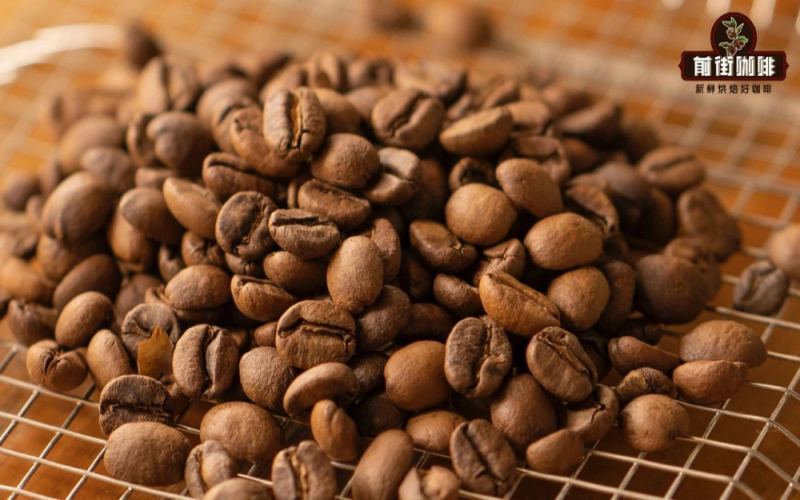
Starbucks Coffee Bean Grind Size Guide: A Complete Scale Analysis from Fine Sugar to Flour-Like Consistency with Brewing Recommendations
Bought Starbucks coffee beans but feel puzzled by the grinder settings? Grind size directly determines the success or failure of a cup of coffee. This article uses common everyday items like fine granulated sugar, coarse granulated sugar, sea salt, fine salt, and flour as analogies to help you quickly find the right grind size for pour-over, French press, moka pot, and espresso machine. Beans of different roast levels have different densities, so the same extraction method requires different grinds. Front Street Coffee will guide you through understanding the particle size range corresponding to each grind state, and why light-roasted beans need a finer grind while dark-roasted beans need a coarser grind, so you no longer have to agonize over grind size. [more…]
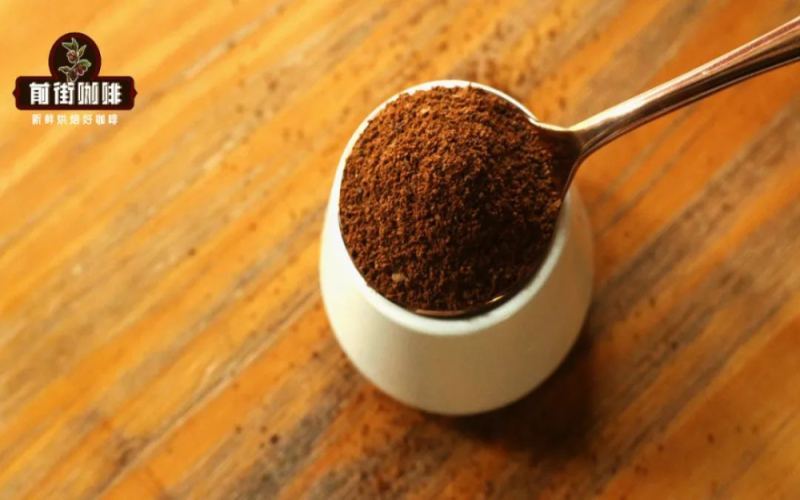
Pour-Over Coffee Grind Size Self-Test Guide: From Spice Analogies to Blind Tasting Practice
Among the many variables in pour-over coffee, grind size is often the hardest to describe precisely in words. Every enthusiast uses a different grinder, so when baristas communicate with customers, they usually have to rely on everyday seasonings as analogies. Although this approach has its limitations, it is an effective way to quickly establish a brewing framework. This article will systematically sort out the applicable scenarios for four grind reference points—fine salt, fine granulated sugar, coarse granulated sugar, and sea salt texture—and, using a natural-process red cherry coffee as an example with the MAVO Wizard 2.0 manual grinder, demonstrate how to gradually "blind-test" your ideal setting when faced with an unfamiliar grinder by observing the bloom pattern, drawdown time, and coffee grounds condition, helping you find your own cup of good coffee. [more…]
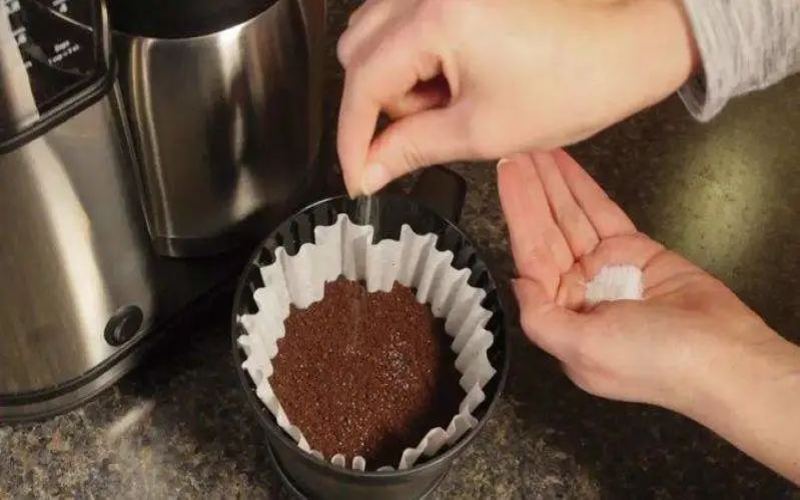
Does adding salt to coffee really make it taste better? A complete interpretation from traditional custom to scientific principle
Adding salt to coffee may sound surprising, but it is not a sudden whim of modern people. From northern Scandinavia to Turkey, from the European coast to Siberia, the tradition of salted coffee has a long history. Salt not only suppresses the bitterness of coffee but also makes sweetness more prominent, and behind this there is both historical origin and the support of food science. This article will start with the origins of salted coffee, sort out the formation mechanism of coffee bitterness, explain why salt can neutralize bitterness, and give specific salt-adding suggestions and dosage references. If you have also wondered whether this cup of salted coffee is actually reliable, you might as well read on. [more…]
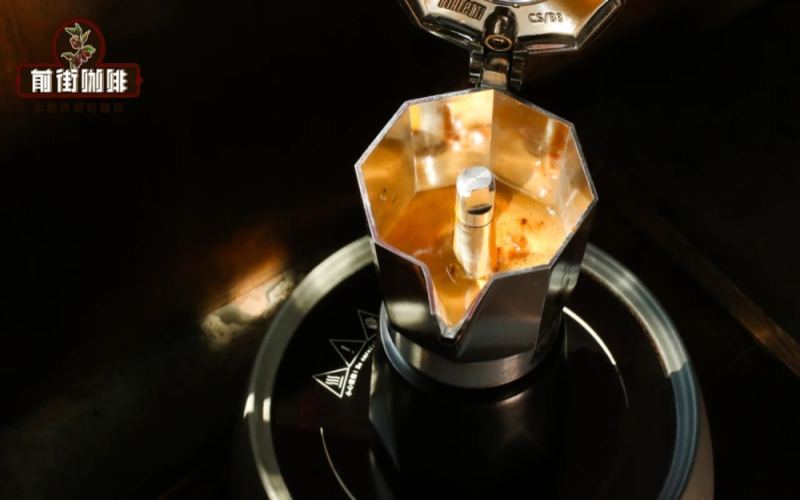
How Fine Should You Grind Coffee for a Moka Pot? A Full Guide to Basket Capacity and Tamping Techniques
The extraction effect of a moka pot is closely related to the grind size of the coffee grounds, the amount filled, and the tamping method. Many people are puzzled about how full the filter basket should be, whether to tamp the grounds, how much pressure to apply, and how to judge the coarseness of the grounds. This article starts with the correspondence between the filter basket's capacity and the amount of coffee, explaining the grind state suitable for a moka pot—slightly coarser than fine espresso grounds, similar to the texture of fine salt; it explains why filling the basket is recommended, and how insufficient coffee grounds can easily cause channeling and uneven extraction; it also provides gentle distribution and pressing methods when reducing the amount of coffee, and warns of the safety hazards that may arise from tamping too hard. The article also combines Front Street Coffee's classic espresso blend beans to demonstrate the balanced flavor of an iced latte made after adjustment. [more…]
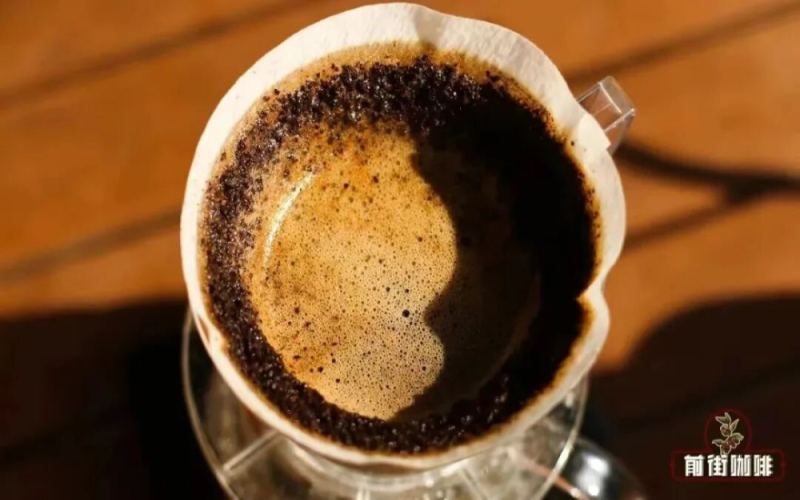
Complete Guide to Pour-Over Coffee Bed: From Muddy Bed to Crater Bed, Diagnosing Extraction Issues and Grind Adjustment Methods
The joy of pour-over coffee lies in its controllability, yet beginners often find it difficult to judge whether their brewing is done properly. Beyond tasting the flavor, the coffee bed left after brewing is also a mirror that can reflect many details such as grind size, pouring technique, and the speed of circling. An ideal coffee bed should form a uniform cone shape, with neat walls and loose, honeycomb-like granules. If the coffee bed appears muddy, sea-salt-like, uneven, flat-bottomed, or with断层, it suggests that extraction may have gone wrong. This article, drawing on Front Street's brewing recommendations, analyzes the causes and solutions for six typical coffee bed patterns one by one, helping coffee enthusiasts find directions for adjustment from the coffee bed and gradually improve the stability and flavor performance of their pour-over. [more…]
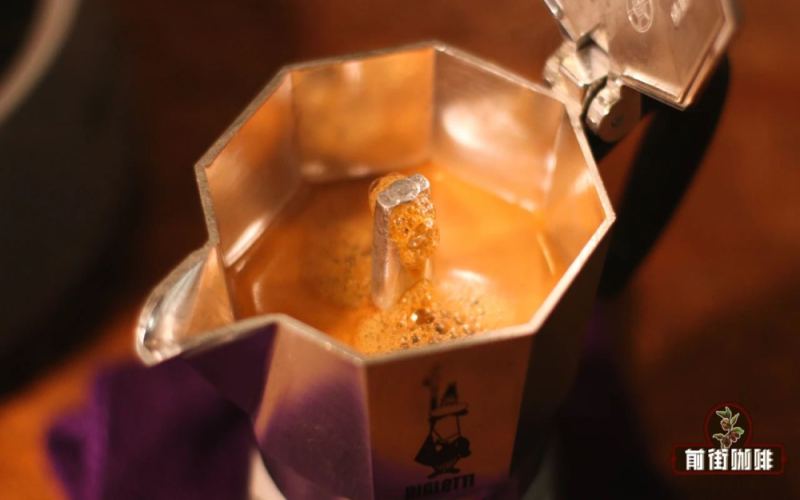
How the grind coarseness affects the flavor of moka pot coffee, and how to control the amount of coffee grounds and water
Coffee brewed with a moka pot has always been known for its intensity, thanks both to the fine grind and to the pressure-driven extraction principle. Yet many enthusiasts still find themselves puzzled when it comes to judging the grind size in practice. In fact, a moka pot is far more forgiving about grind size than an espresso machine—you only need a texture close to fine salt. It should not be as coarse as granulated sugar, as with pour-over, nor as fine as flour, as with Turkish coffee. Beyond grinding, how much coffee you put in the basket, how much water you pour into the base, and the beans you pair with it all shape what ends up in your cup. This article breaks down grind assessment, coffee-to-water ratios, bean selection, and the complete brewing process step by step, along with guidance on adjusting for over- and under-extraction, to help you consistently brew a delicious cup of moka pot coffee. [more…]
How Grind Size Affects the Crema and Flavor of Moka Pot Coffee: A Full Breakdown from Coffee Dose and Water Amount to Brewing Details
The Moka pot, with its fine grind and pressurized extraction, can brew quite a strong cup of coffee—but figuring out the right grind size gives plenty of people a headache. In fact, the Moka pot isn't all that demanding about grind size: a bit coarser than espresso's ultra-fine powder, close to fine salt grains, is just right. Too coarse and you'll get under-extraction; too fine and it may clog the filter basket, posing a safety hazard. Besides grind size, the amount of coffee and water is equally crucial: just fill the basket level and scrape it flat, and keep the water level below the pressure relief valve. As for beans, a dark-roast blend suits lattes, while a light-roast floral-fruity profile is better for drinking black. Below, drawing on Front Street Coffee's classic blend recommendation, we'll break down the complete Moka pot process step by step—from choosing the grind and adding water to heating and turning off the heat—and offer tips for adjusting when the extraction is over or under. [more…]
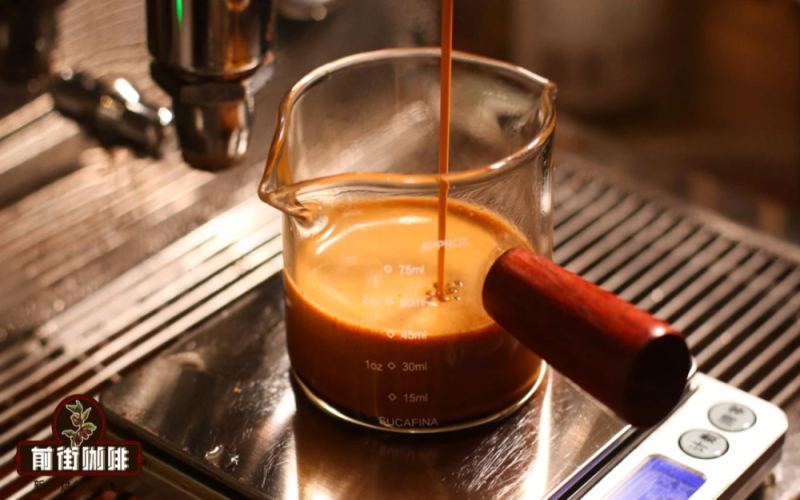
How to Set the Grind Setting for Espresso Beans? A Practical Method for Judging Grind Fineness from Extraction Time and Flavor
Espresso grind size falls between flour and table salt and cannot be judged by the naked eye, but the coarseness of the coffee grounds directly determines the flow rate, so you can work backward to whether the setting is appropriate by observing the extraction time. This article starts from the definition of espresso, sorts out the relationship between grind size and extraction time, explains how to set a target ratio of coffee to liquid, fix pressure and water temperature, and then adjust grind size to reach the target time. It also uses Front Street Coffee's Colombia Sidra coffee beans as a tuning example, showing the adjustment process from 34 seconds—slow with a bitter taste—to 30 seconds with a clear aroma. Finally, it emphasizes that after confirming the grind size, you still need to judge by tasting whether there are defective flavors, and if necessary, make minor adjustments to the dose or parameters. [more…]
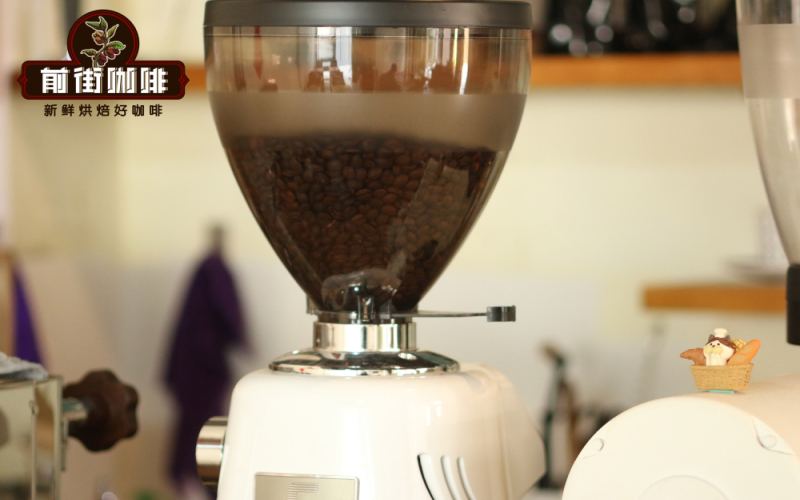
How Do You Adjust the Grind Size for Espresso? A Complete Guide to Dialing In a Semi-Automatic Espresso Machine and Calibrating Extraction
In the preparation of espresso, grind size is one of the core variables that determines the success or failure of extraction. Compared with pour-over or cold brew, espresso grounds are closer to the feel of fine salt or even flour, and a tiny deviation on the dial can lead to abnormal flow rates, which in turn pushes the flavor toward the two extremes of under-extraction or over-extraction. This article will systematically sort out the logic of setting the grind size on a semi-automatic espresso machine from the perspectives of grind assessment, coffee bean selection, flow rate correction, and flavor fine-tuning, and share Front Street Coffee's adjustment experience in practice, so that you can consistently produce an ideal shot of espresso at home. [more…]

Siphon Coffee Grounds Grind Size and Dosage Explained: Reference Grind Standards for Cold Drip, French Press, and Cold Brew
In coffee brewing, grind size is the key variable that determines the direction of flavor. The same coffee beans, when used in a siphon, cold drip, French press, or cold brew, require different particle coarseness and coffee doses because of their different extraction principles. This article systematically sorts out the coarseness standards and dosage recommendations for siphon coffee grounds, and compares the reference grind size ranges for cold drip, French press, and cold brew, helping you find the flavor balance point among different devices. The article also includes practical recommendations from Front Street Coffee; whether you are a beginner or an advanced enthusiast, you can find reliable parameter references here. [more…]
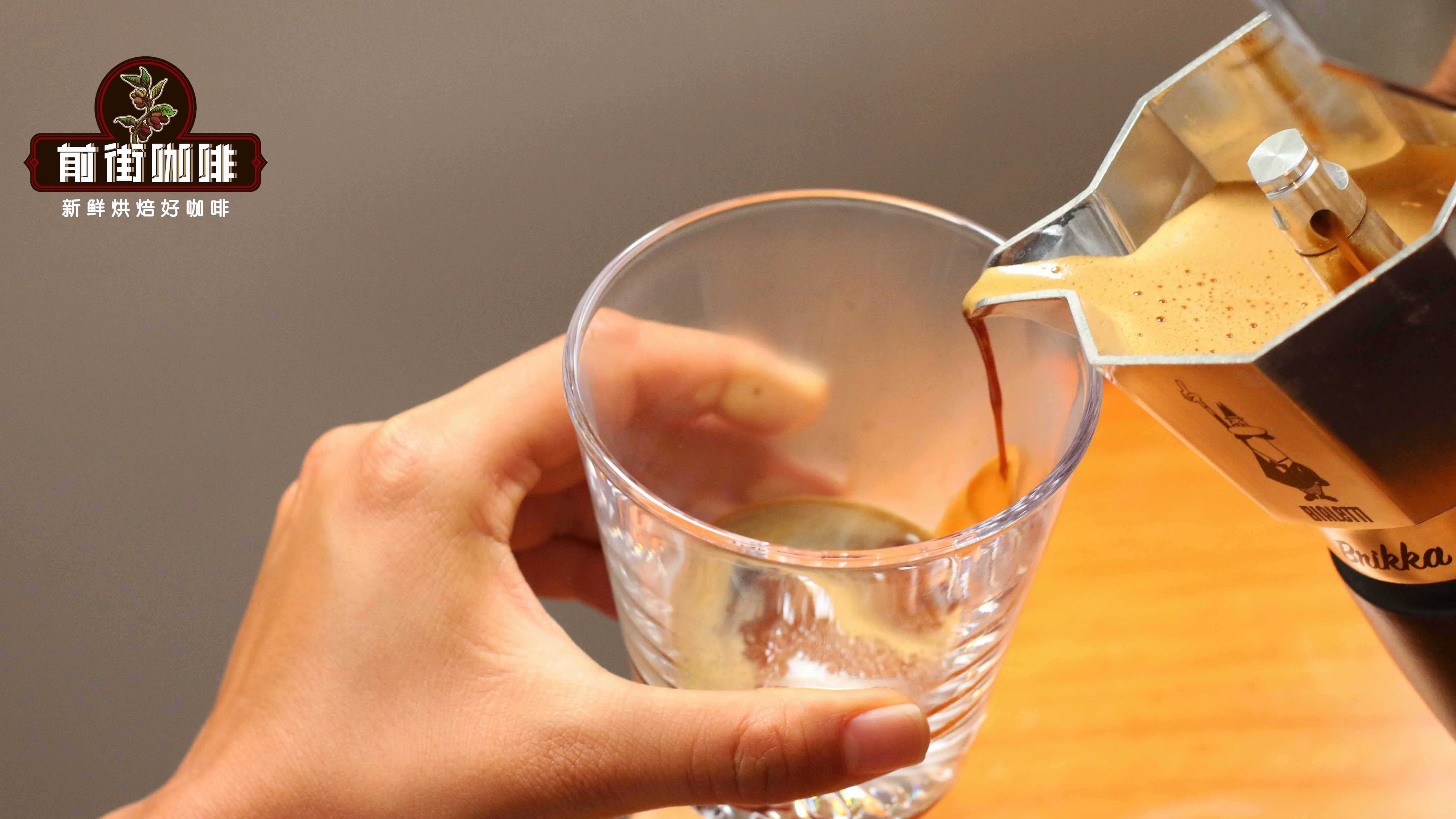
How to Choose the Coffee Grounds Setting for a Moka Pot? A Complete Guide to Grind Size Judgment and Safe Use
Using a moka pot looks simple, but the grind size for the coffee grounds gives many beginners a headache—too coarse and the flavor is weak, too fine and the coffee liquid struggles to flow out or even over-extracts. Grind size directly affects the extraction yield, working in tandem with contact time and flow rate. The moka pot is a pressure-driven device, operating at about 1.5 bar, with a grind size close to espresso but slightly coarser, and a particle diameter of about 0.3–0.55 mm. This article provides two methods: measuring with a particle size ruler and judging through dialing in, and offers adjustment suggestions based on Front Street Coffee's Classic Blend and Front Street Coffee's Strawberry Candy Espresso Blend. Finally, it reminds readers of the safety points for using the pressure relief valve, helping coffee lovers achieve consistent results. [more…]
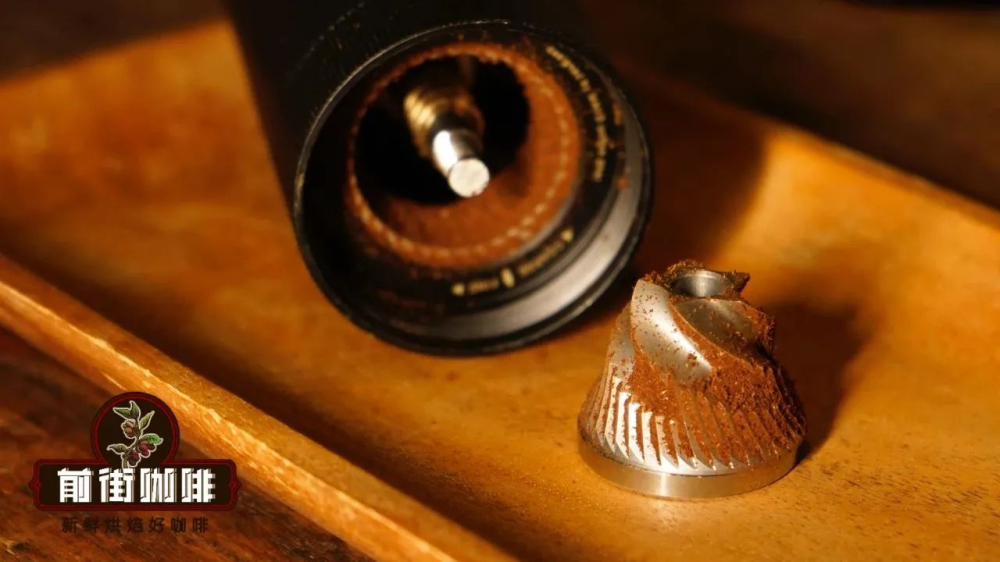
Coffee Grind Size Parameter Adjustment Tutorial | How to Judge Coffee Ground Coarseness? What Coffee Bean Grind Size Is Suitable for Pour-Over Coffee and Espresso?
Grinding is crucial to coffee extraction—one could say that the coarseness of the coffee grind directly affects the flavor of a cup of coffee. And for different extraction methods, the coffee grind size also needs to be adjusted. The coarseness of the coffee grind directly affects the length of extraction time and the level of extraction yield. Coffee grind [more…]
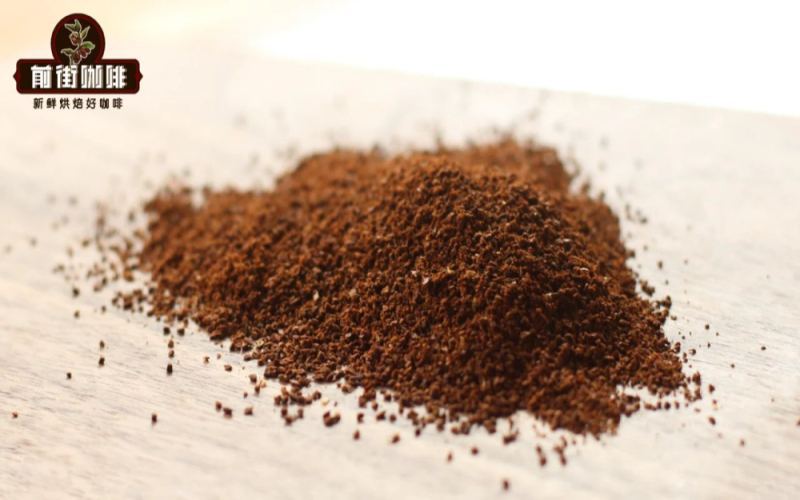
How Does Coffee Grind Size Affect Extraction? A Complete Analysis of Pour-Over and Espresso Parameter Adjustments
Grind size is one of the key variables determining coffee flavor. The finer the particles, the larger the contact area between hot water and coffee grounds, and the greater the resistance to extraction, which tends to prolong extraction time and increase the extraction yield; the coarser the particles, the opposite is true, and underextraction becomes likely. Different brewing devices have significantly different grind requirements, ranging from the flour-like extremely fine powder for a Turkish pot to the coarse particles for a French press, a very wide span. This article systematically sorts out the relationship between grind size, extraction time, and extraction yield, gives reference grind ranges for espresso and pour-over coffee, and, combined with Front Street Coffee's production experience, explains how to find a grind setting that suits you according to roast level and bean hardness, while also reminding you of the importance of daily maintenance of the grinder burrs. [more…]
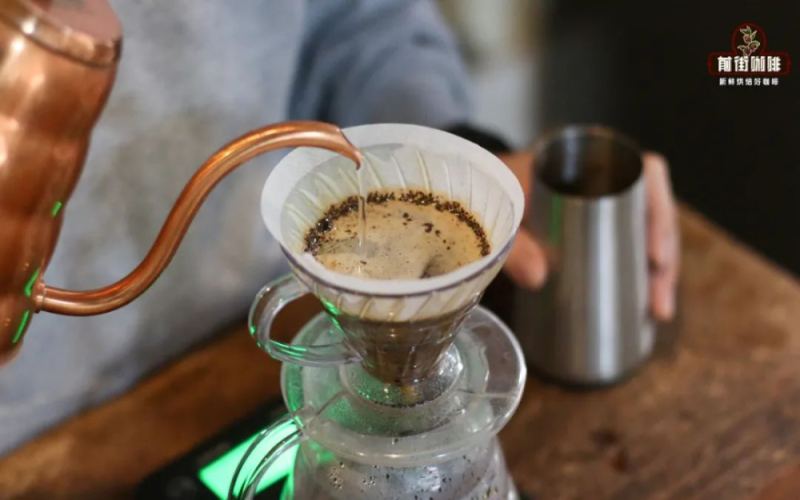
Why Does Pour-Over Coffee Frequently Turn Out Burnt, Harsh, and Bitter? An In-Depth Analysis of Over-Extraction and How to Fix It
Many coffee enthusiasts have encountered this frustration during pour-over brewing: even though the beans are of decent quality, the resulting coffee carries an unpleasant burnt or muddled bitterness. This flavor is often attributed to "over-extraction," but what exactly is the mechanism behind it? This article will systematically break down the science of over-extraction, analyze the various parameter factors that lead to excessively high extraction efficiency, and share Front Street Coffee's experience in building brewing recipes—specifically how choosing high-tolerance parameters can help avoid undesirable flavors—so you can more confidently brew a clean and delicious pour-over coffee. [more…]

Must-Read for Beginners: A Complete Guide to Pour-Over Coffee from Beginner to Mastery, with Brewing Logic
To make a delicious cup of pour-over coffee at home, you don't actually need to get bogged down in details like grind size, water temperature, or pouring technique right from the start. Drawing on the practical experience of Front Street Coffee, this article systematically lays out the definition of pour-over coffee, the essential tools, how to choose a coffee-to-water ratio, how to judge grind coarseness, and the complete three-stage pouring process. It also explores a deeper question: there is no such thing as a perfect brewing method for coffee—what you really need to learn is the logic of observing the extraction process and applying it flexibly. Whether you're a beginner just starting out or a veteran looking to sharpen your skills, you'll find practical reference here. [more…]
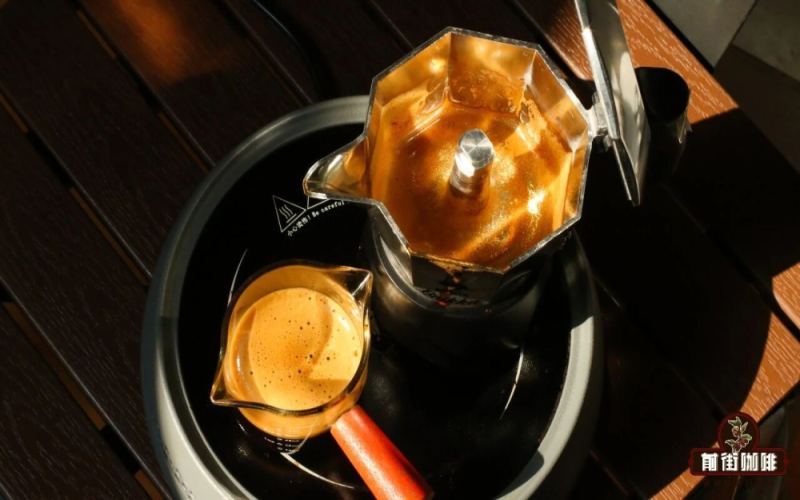
Complete Guide to Brewing Coffee with a Moka Pot: Extraction Principles, Operating Steps, and Safety Points
In an era when specialty coffee is all the rage, the moka pot, a simple household device, still has a loyal following. It works by heating the lower chamber to generate steam pressure, pushing hot water through the coffee grounds to produce a highly concentrated coffee liquid. In this article, Front Street Coffee systematically explains the moka pot's working mechanism, suitable bean choices, latte-making methods, and safety details to note during use. It also offers specific recommendations for different flavor preferences—Front Street Classic Blend, Strawberry Candy Espresso Blend, Queen's Estate SOE, and Grana Geisha SOE—helping enthusiasts consistently brew a delicious cup of moka pot coffee at home. [more…]
Complete Moka Pot Coffee Brewing Tutorial: Extraction Principles, Step-by-Step Operation, Bean Selection Tips, and Safety Points
Today, with pour-over, siphon, and high-end espresso machines dominating the scene, the moka pot is often labeled as old-fashioned and hard to control. But Front Street Coffee has noticed that, with the spread of home espresso equipment, many enthusiasts are beginning to re-examine this small device that also relies on pressure extraction. This article starts with the structure and working principle of the moka pot, explaining why it was once overlooked and why it has returned to home coffee scenarios, and offers bean selection and grinding advice, a specific process for making milk coffee, as well as safety precautions such as water level control, flow rate judgment, and preventing over-extraction. Whether you have just gotten a moka pot or want to use it more steadily, you can find actionable references in this article. [more…]
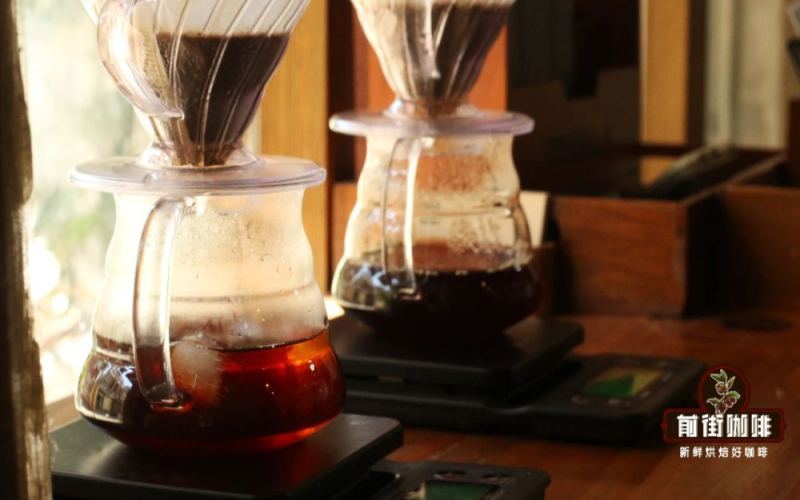
Pour-Over Coffee Beginner's Guide: A Full Breakdown of Coffee Bean Selection Logic and Equipment Setup
Pour-over coffee is both an extremely popular extraction method and a mainstream brewing technique that accompanies enthusiasts as they continue to advance. Drawing on the hands-on experience of Front Street Coffee, this article systematically covers the definition and origins of pour-over coffee, the essential equipment list, methods for determining the coffee-to-water ratio and grind size, and a detailed walkthrough of the complete three-pour process. Regarding coffee bean selection, it analyzes the flavors of the three major producing regions—Africa, Central and South America, and Asia—one by one, and offers recommendations based on the specific beans available at Front Street. Whether you are a beginner just getting into pour-over or an enthusiast looking to further understand regional flavors, you will find practical references here. [more…]
A Guide to Adjusting Espresso Grind Settings: The Complete Workflow from Flow Rate Diagnosis to Flavor Fine-Tuning
When making espresso, precise control of the grind size directly determines the quality of the final cup. Unlike pour-over or cold brew, espresso uses pressurized, short-duration extraction, where any slight deviation is magnified—making the demands on grind exceptionally strict. This article will walk you through just how fine an espresso grind really is, how to quickly lock in the right setting by observing flow rate, and how to make fine adjustments down to the 0.1-step level based on the flavor profile of the espresso. We'll also share recommendations for choosing Front Street Coffee's classic espresso blend beans, helping you easily recreate cafe-level rich espresso and velvety crema at home. [more…]